Growing Food Organically
Very little can compare to the satisfaction of harvesting ingredients that can be taken to the kitchen and used to feed the household. Apart from this, there are so many benefits to growing food in whatever suitable space you have, that go beyond the obvious.
There’s the freshness and flavour that can’t be surpassed, from the variety of vegetable cultivars that are never grown in mass production. Cost savings might be debatable if you need to continually buy in additives (making compost will save you heaps!) but you will generally always come out in front, especially if we consider the incidental exercise that means you could save on gym fees. Environmental savings are without a doubt as home gardeners turn food miles into food metres and learn what is seasonal and adjust eating patterns to suit, rather than buying food that has been grown overseas out of our natural seasons. Community connections come into growing food too, because you may have an abundance to share at Food Swaps and even more so if you take up a plot at a local community garden.
Organic Gardening Basics
Organic gardening aims to minimise artificial chemical input into the garden, so it excludes the use of synthetic fertilisers and harmful pesticides. This leads to food production that is safer for consumers and, even more importantly, a natural balance in the garden. Organic gardeners aren’t too fussed with slight blemishes on their produce as blitzing all insect life in the garden is not the aim. If you’re new to gardening, especially in growing your own food, this information and advice will set you in the right direction!
What is the critical element in organic gardening?
This is without doubt, the soil. Good organic gardening recognises the critical nature of the soil and all the micro-flora and other elements it contains. Organic gardeners will always seek to improve the soil, season after season. This is done by the addition of animal manures, particularly cow and sheep; by-products of other processes, such as mushroom compost; and the most importantly, compost. Good homemade compost creates humus in the soil which makes the nutrition in the soil available to the plants’ roots, as well as serving a lot of other useful purposes. Learning to make compost well is mandatory for an organic gardener!
What is N:P:K and why is it important?
- N: nitrogen element, which is important for green, leafy growth in plants
- P: phosphorus element, which aids root development and helps to convert the sun’s energy in the plant to aid photosynthesis (the process whereby the plant converts energy from the sun into sugars in the plant)
- K: potassium or potash (as it’s commonly referred to in gardening terms), which is important especially in flowering plants, such as tomatoes or any other plants where the flower develops into the fruit you consume
N, P and K are referred to as the macro-nutrients in plants, meaning they are needed in greater concentrations. Essentially, they are the main food groups for plant growth. There are also many other micro-nutrients, such as magnesium and iron and a deficiency in these shows up in ailing plants. Luckily, good homemade compost will supply all of these nutrients!
How do I set up a new vegie patch?
Traditionally this was done by clearing the intended area of any weeds, digging up clods of earth and breaking them up, checking and adjusting the drainage, then adding all the manures etc and then digging them through. Phew! Known as double-digging, this is too much hard work! It is far better for your back and for the soil to make up a No-Dig Garden. This results in a bed that gradually decomposes over time into a very nutritious and water-retentive bed, when compared to traditional methods. It will need to be topped up from season to season with more organic matter such as compost, but again, there is no digging involved.
If I have an existing vegie patch, what can I do to improve it?
The best thing you can do after you have cleared all of the latest crop, is to add as much compost and animal manures (best are cow and sheep) as you can. Lightly tickle it through the soil. Avoid heavy digging as this disturbs the soil structure. This replenishing of the soil should be done twice a year, usually in autumn and spring, to prepare the soil for the new season’s plantings. If you don’t want to plant winter vegies, sow a green manure crop and then slash it and lightly turn it into the soil once the green leafy matter is knee-high. This decomposes and adds nutrition to the soil.
How do I plan what to plant?
Once your bed is ready, it’s time to lie in it – or rather, plant in it! In a traditional bed it’s a good idea to let it rest for at least a fortnight before planting. In contrast, a No-Dig Garden can be planted into straight after you have finished.
Consulting a good, Australian-written organic vegie book will always tell you what to plant when. Now there are also gardening apps with reminders for you if you subscribe (Gardenate.com). Don’t always go by what is available in non-specialist hardware centres! There are two main planting seasons in Melbourne, from March-May and from Sept-Dec, avoiding the depths of winter or the heat of summer when new plants will get too stressed and just languish.
A good rule is to plant what you will eat AND what will also taste better homegrown. Tomatoes are a must in this case, as are many other vegies. As you get more experience, branch out and experiment with different vegetables or varieties.
Do I plant from seed or seedling?
Usually, I would recommend planting from bought seedlings for beginners for most vegies except for legumes (peas, snowpeas, beans, broadbeans) and sweetcorn or sunflowers, as these seeds are easy to handle. Special veg, such as garlic, potatoes and Jerusalem artichokes are planted from cloves and tubers at the right time of the year and not from actual seeds.
Nevertheless, the benefits of planting from seed include reduced cost; availability of many many more varieties not available as seedlings; the possibility of saving seed to re-use season after season; and of course, the immense satisfaction that comes from starting something from scratch.
Keeping it Organic
When problems arise, our quick-fix mentality pushes us to find instant solutions to garden “problems”. Organic gardeners will try to remedy the source of the problem, rather than the result. This could mean not over-crowding plants so as to improve airflow and avoid fungal problems, instead of reaching for a fungicide. Or blocking access to tender plants from pests, rather than spraying away the pests themselves. Sometimes we have to accept that it is not always perfect but be happy that we hadn’t resorted to poisons to achieve perfection.
As organic gardeners, we must learn to recognise that not all insects are a problem. Some will be beneficial, most are part of the biodiversity in our gardens and a few may be pests. Often the beneficial insects will eat the pests for us!
When we want a plant to grow faster, a quick fix would be to pour on soluble synthetic fertilisers to make plants grow or produce more. Organic gardeners understand that the soil is the crucial element and a healthy soil will produce healthy plants. If the plant is a particularly hungry plant and needs extra nourishment in its lifetime, we look at organic alternatives. Generally you can tell that they are organic because they smell! Inorganic, or synthetic fertilisers do provide a fast boost to plant growth but at the expense of the soil flora and fauna (the high salt content is not good for the microbes or the worms) and the lush new growth is also a boon for pests who feed on all of this tender leafy matter whose plant cells haven’t had a chance to harden up.
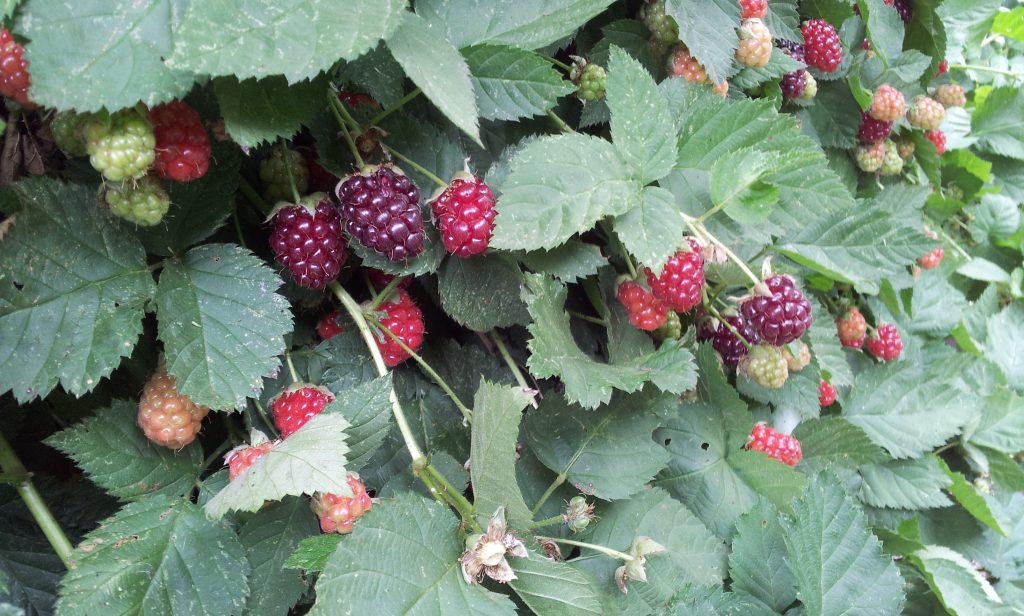
Alternate Additives for Vegie Gardens
- Lime: this does two things: it adds calcium to the soil (another important nutrient) and more importantly, changes the pH of the soil to make it more alkaline. Dolomite Lime does the same thing but also adds magnesium as well as calcium.
- Liquid Seaweed: this acts as a tonic for plants rather than a straight fertiliser. Its value lies in all the micro-nutrients it holds to make for a well balanced plant! Regular use will strengthen plants’ resistance to pest and disease attack.
- Rock Dust: this is a fine mineral additive that needs only sparing use and perhaps only once or twice a year. It is like a slow-release liquid seaweed.
- Blood and Bone: this is made from abattoir residues and is rich in both nitrogen and phosphorus, though missing in the other macro-nutrient, potash. It is a slow release fertiliser for plants as it only gradually breaks down in the soil. Never use it around Aussie native plants as they are used to soils deficient in phosphorus and will cause them problems.
- Potash (liquid or powder): this is added to help flowering plants set their flowers. An application at planting time and then maybe 6-8 weeks later keeps plants producing longer. It also stimulates the production of new roots. Always water it in well. It is used in conjunction with blood and bone to make a complete fertiliser.
- Mushroom Compost: this is the leftovers from growing mushrooms. It is useful as a compost in the garden but beware of using it together with lime as it is already alkaline in nature.
- Cow and Sheep Manures: these are nourishing and gentle for the garden. In fact, cow manure is so gentle it might be considered more a soil booster rather than a fertiliser. Sheep manure is like a slow release pelletised fertiliser, because of its form.
- Poultry Manure: this comes in pelleted format (such as Dynamic Lifter) or from your own chooks! If it is home grown, compost it well before use to make a very nutritious compost, instead of adding it directly to the soil. It may harm plant roots as it is so strong as well as being very alkaline. In pelleted form, it can be scattered through the soil when preparing beds for planting.