Olive Magic
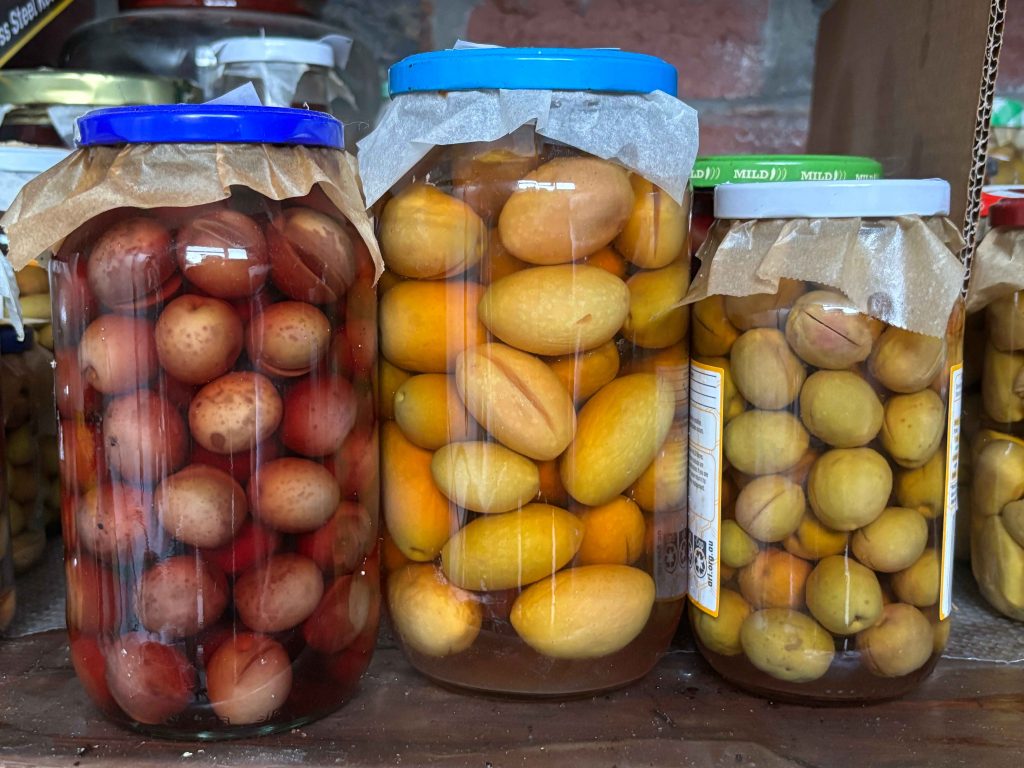
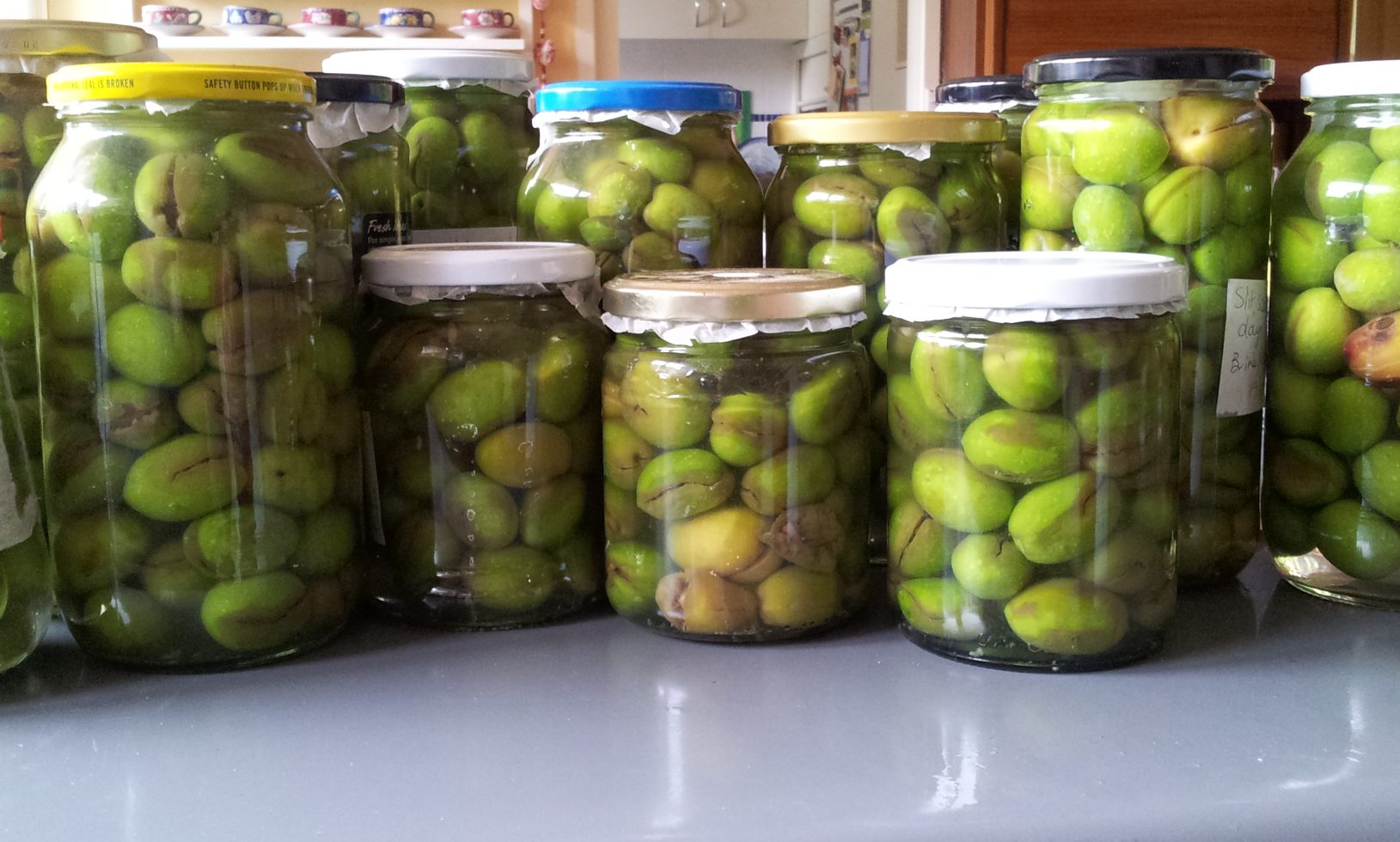
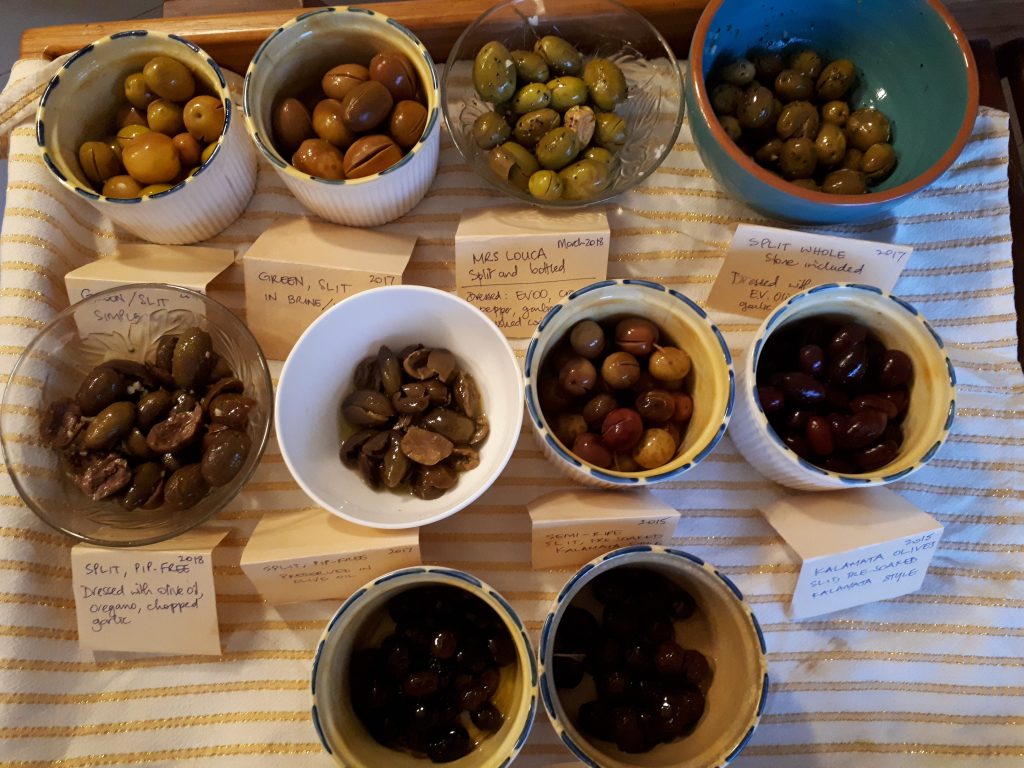
Olives come in many varieties and they can all have different flavours, size, shape and even textures. What they all have in common is that they are incredibly bitter straight from the tree and must be ‘cured’ or de-bittered before becoming palatable. There are many recipes or techniques for transforming these bitter olives into savoury delights, but given that different varieties have unique flavours, using the same methods to cure and then preserve varieties of olives will result in different tastes. Experiment with the olives you are growing or can procure to find a technique and a flavour which you like best.
‘Curing’ Olives
All techniques aim to ‘cure’ or de-bitter the olive by removing the very bitter component in the raw olive, called oleuropein. This bitterness is water-soluble, so this means we can use water to cure them. Other techniques use brine (a salt solution), dry-salting or lye (caustic soda) – AND time. Olives are the ultimate in ‘slow food’, as the curing can take up to a couple of years, depending on technique and size of olive. Using lye is much faster and results in a firm olive but is not a process for the uninitiated. As well as stripping the olive of its bitterness, it also strips a lot of the olive flavour out and a lot of salt needs to be added to the cured olive to enhance its flavour once again.
Once cured, the olives can be consumed as they are, or ‘dressed’ (flavoured with oil, garlic, herbs etc); or need to be preserved for long-keeping. Usually brine is involved for preserving, on its own or combined with a little vinegar. The salt in the brine, together with an acidic element such as vinegar or a slice of lemon; and a layer of oil at the very top of the bottled olives, all help in the preserving. If you find that the olives are soft and mushy when you go to eat them, they have not been preserved properly and MUST be discarded.
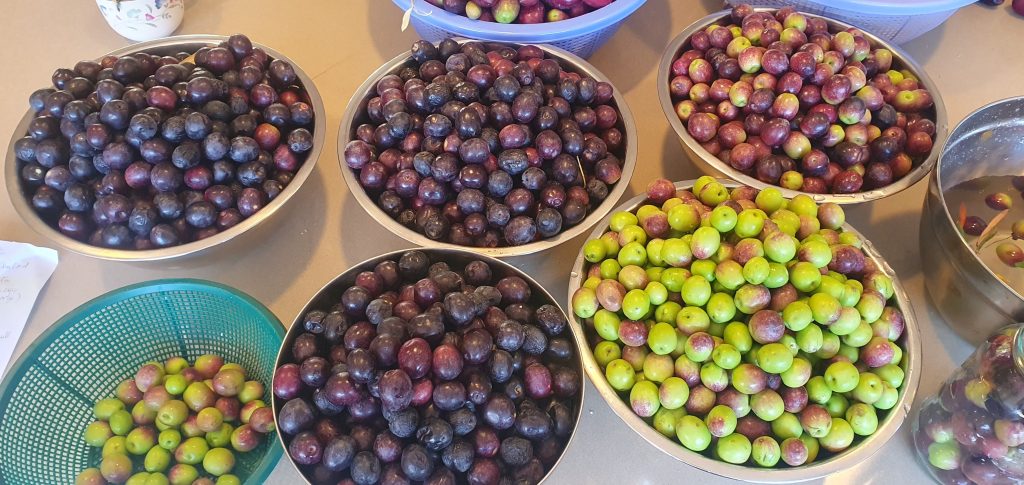
Techniques also vary according to the ripeness of the olive, which is determined by its colour. All olives start as green olives on the tree. They are unripe. The colour then matures gradually to the black (deep purple) when fully ripe. Being softer when fully ripe also means that we change the techniques for the curing and the preserving between the green and the black olive.
If you would like to cure green olives off a tree, they will be ready to be processed once some of the olives start to turn purple. In Melbourne this is mid-autumn, usually late March and into April, depending on the variety.
If you want to cure black olives, you’ll need to wait a couple more months – and then hope the birds don’t get to them first. Birds can’t taste the bitterness like humans do and they enjoy these gourmet delights!
Brine Solution
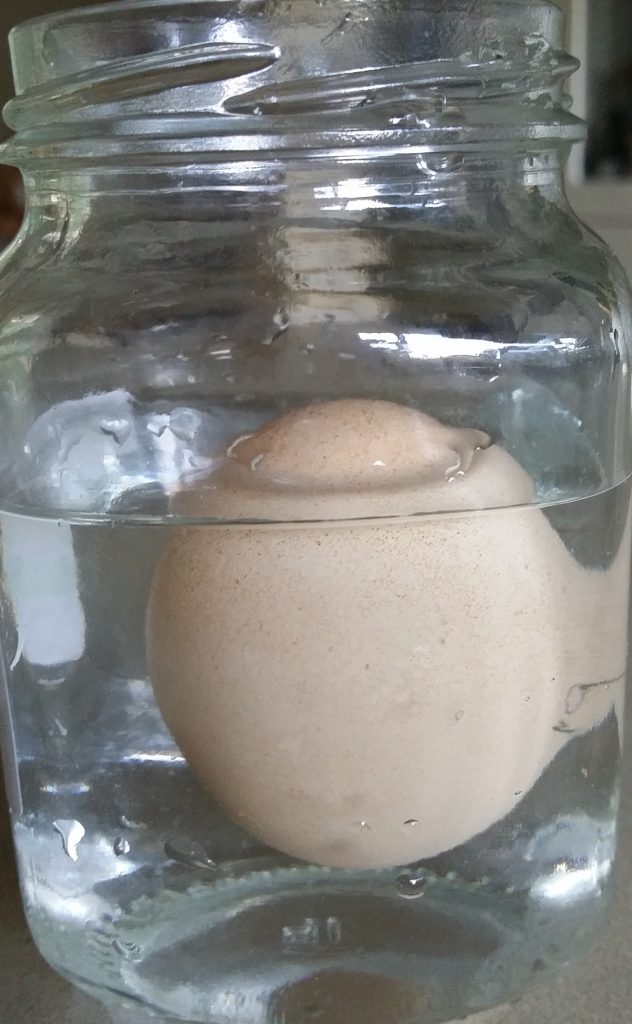
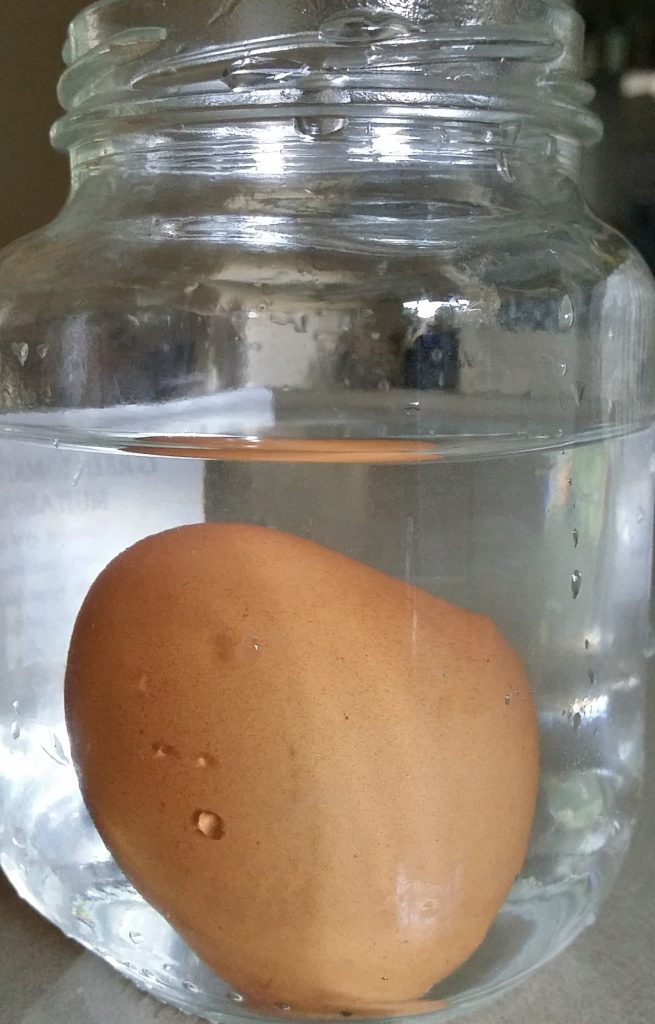
Before the advent and easy access to kitchen scales, the amount of salt added to water required to make a brine solution was determined by adding enough salt to water in order to have an egg float in the water. Now this would have also coincided with people keeping chickens or having access to absolutely fresh eggs, because the freshness of an egg will absolutely determine how easily an egg will float – or not!
In these photos you can see that, with the same concentration of salt in water, one egg will start to float but the fresher egg still remains at the bottom of the jar. Older eggs float more easily so your brine concentration might not be as strong as needed for the curing and preservation of olives.
It is far safer to make a standard brine solution – a 10% one is your safest bet for the combined curing and preserving of olives in jars.
Standard Brine Solution Recipe (10%)
For every 1 litre of water, you will need 100g of cooking salt (non-iodised). Cheap generic supermarket brands work well.
Determine the volume of each jar by filling it with water, then pouring the water into a measuring jug to measure the capacity. Once you know how much brine is needed to fill the jars, prepare the solution by calculating 10% of that volume as salt. Add the measured salt to the required amount of water and stir until completely dissolved. Pour into your jar of olives, ensuring they are fully covered.
Olive Recipes