Success with Seeds
It’s great to grow from seed for a variety of reasons:
- Vegetable seeds offer a wider variety than seedlings
- It’s more economical buying a packet of seed than a punnet of seedlings
- Many vegetables grow better when started from seeds, as they might not transplant well
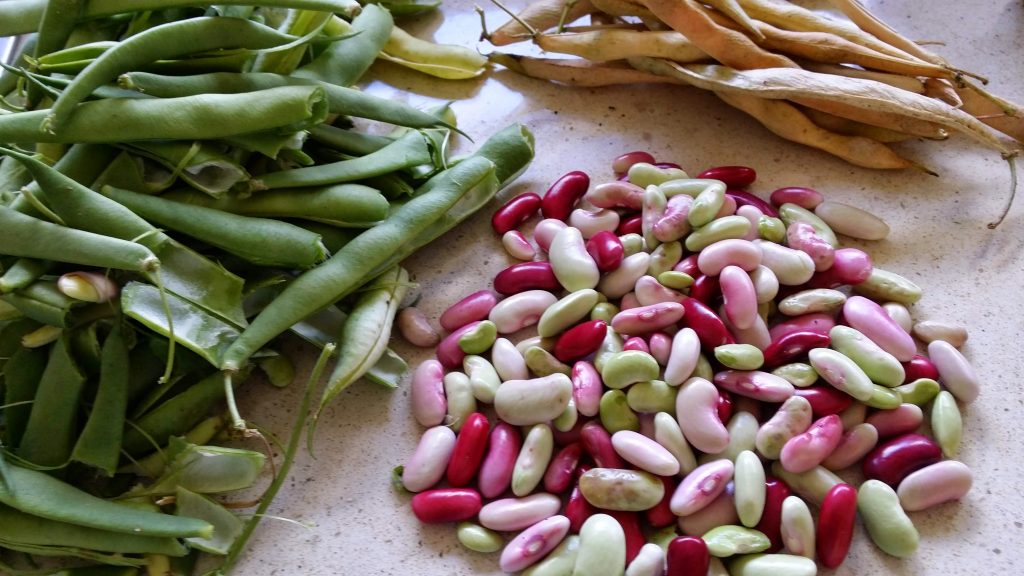
- Heirloom seeds can be saved, minimising the inputs into your garden – closing the loop
- It’s fun and always exciting seeing the seeds germinate!
What is Involved?
SOIL TEMPERATURE
This is one of the most critical factors when getting seeds to germinate. Seeds of vegies grown over winter won’t germinate well in warm soil and warm season vegie seeds need heat to activate germination. You can check soil temperatures by:
- Using charts to indicate when the timing is right for your climatic zone
- Using a soil thermometer for more accurate readings
- Using the palm of your hand on the soil to feel the warmth
FOR SUMMER VEGETABLES: When the soil is still cold outside, you can begin summer vegies by:
- Germinating seeds indoors: use a hot spot in your house eg top of an indoor hot water unit; or the top of the refrigerator
- Use a purpose-made heat bed or heat mat for seed-raising
- Use an outdoor greenhouse structure
FOR WINTER VEGETABLES: When the soil is still too warm outside, you can start winter vegies by:
- Germinating seeds indoors in punnets or pots and keeping them in the shade outdoors, until the outdoor temperatures have cooled down in autumn.
DEPTH OF SOWING
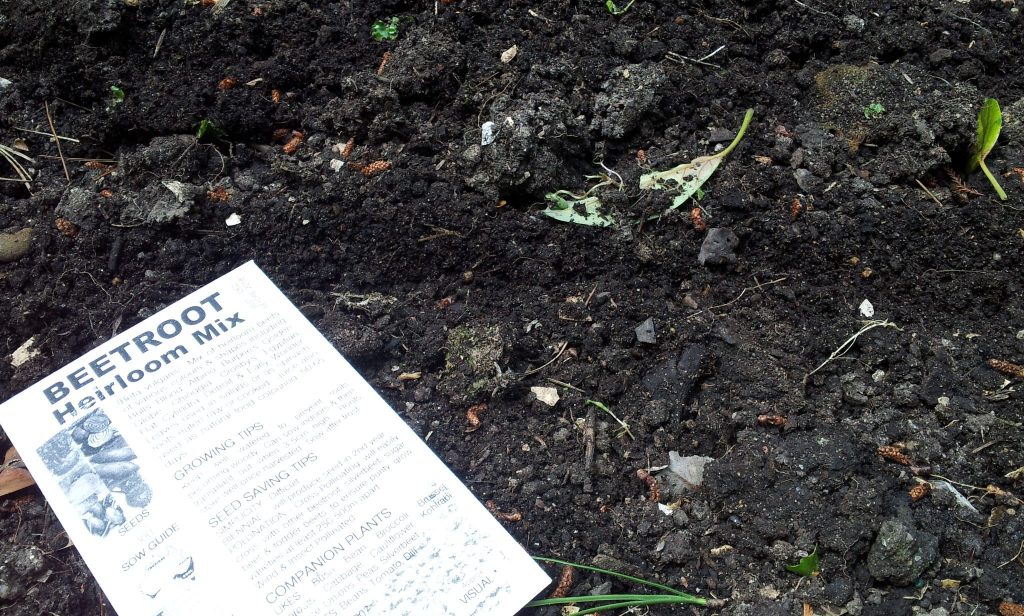
The general rule is to cover the seeds with soil ONLY 1 to 2 times the depth of the size of the seed itself, eg very small seeds may need only a very light covering of soil. Too deep and the seed doesn’t have the energy to push through the soil surface to start to get its energy from the sun.
Seed Sowing Techniques
DIRECT SOWING (INTO THE GROUND)
This refers to sowing your seeds directly into the soil in which they will continue to grow. No transplanting is involved but you will probably need to thin out excess seedlings if you have sown too thickly. This is used when the soil temperature is in the correct range, and for:
- Easy-to-handle seeds: for example, legumes (peas, beans, broad beans); cucurbits (eg pumpkin, cucumber, melons); sweetcorn and sunflowers
- Easy to germinate seeds: for example, lettuces
- Seedlings that suffer being transplanted from punnets: for example, carrots and parsnips (roots become distorted) and basil, spinach, coriander (suffer transplant setback)
For Sowing Carrots:
Mix the fine carrot seed with some sand in a jar. Make shallow drills in finely tilled moist soil (one that has not been recently fertilised) and dribble the seed/sand mixture in the drills. Water carefully. Cover the drill with some shade cloth or a narrow plank of wood to help avoid the seed drying out. Check regularly to see if germination has occurred and lift the cover as soon as you see green. Thin the growing stems to about 5cm apart and then eventually to about 10cm apart.
If this is too difficult, there is also carrot seed tape available which makes it very easy to sow.
For Sowing Basil, Coriander, Spinach:
Sowing direct is dicey with these as they are very temperature dependant (basil needs heat, spinach and coriander prefers cooler soil temps).
Instead of directly in the ground, use the 2-step method described below (using several seeds per biodegradable pot) where you can provide the correct temperature for germination. When they get big enough, plant the whole pot in the ground, or unwrap the newspaper pot before planting. You could also sow them in the soil (at the correct temp) but cover the rows with fine mesh or similar to keep out marauding birds until the seedlings can look after themselves.
INDIRECT SOWING
This refers to sowing seed in a controlled situation, such as in a pot or punnet, allowing it to grow to a particular size and then transplanting into the final soil to continue to grow. It is an extra step or two, so you might wonder why not sow directly into the soil and save yourself the hassle of transplanting? This is used for seeds that are:
- Sown early, before the soil temperature is in the right range to get the seed to germinate. It might be still too warm (such as for lettuce, coriander and spinach) or too cold (such as for tomatoes, eggplant and capsicum). We start these early as the growing season where you live might not be long enough if you sow when the soil temperature is right.
- Very small to handle and may get lost in the garden before germinating
You will need some sort of seed-raising medium. There are a variety of different ways you can make your own without resorting to specialist seed-raising mix. Seed-raising mix is different to potting mix as it serves only as the medium to hold the seed moist until it germinates. Once germinated, you will need to feed the seedling to keep it growing strongly. The seed itself contains enough food to get it germinating so the seed-raising mix at the start need not be too nutritious.
You can use:
- A seed-raising mix, available at nurseries
- Good quality potting mix sifted to remove large pieces
- Make your own from a 50:50 mix of sifted compost + propagating sand; OR 50:50 mix of coir peat: propagating sand
Indirect Seed Sowing – 2 Step Method
1. Sow the seed in the moistened mix in a biodegradable pot or seedling punnet and cover seed with twice its depth of the mix. Water carefully. Keep the pots or punnets in an indoor position until you see signs of germination. Do not allow the soil to dry out as this will kill emerging seedlings. (It might be helpful to cover the punnet or pot in a clear plastic bag to recycle any water that evaporates, but this must be removed as soon germination starts).
Use seedling punnets for lettuces, onions and silverbeet.
2. The cotyledons (baby leaves) will appear first, followed by the first set of true leaves. (Once the seedlings appear, they will need feeding, provided by you in the form of weak seaweed solution or a diluted liquid organic tea).
When the seedlings are about 10 cm tall, or when they have 2 sets of true leaves, plant the biodegradable pot straight into your prepared garden bed (if the outdoor temperature is suitable); or (from punnets) prick out each seedling individually and plant this into the prepared garden bed.
Indirect Seed Sowing – 3 Step Method
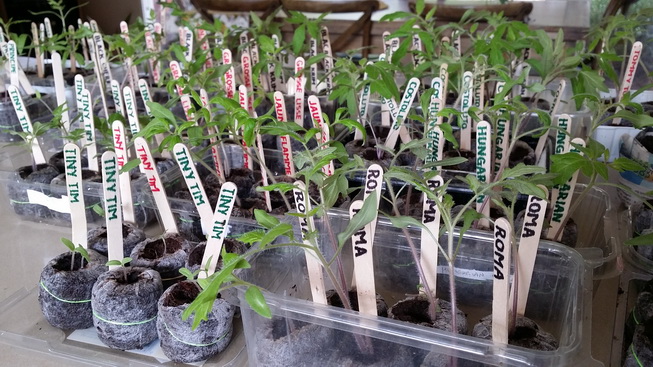
1. Sow the seed in individual jiffy pellets and keep them warm. Use old strawberry punnets to create a ‘mini-greenhouse’.
2. When the seedling has germinated you will need to take them from their indoor heat spot immediately and place them where they will still stay warm but where they get some sunlight. Keep them protected if the nights are cold.
Once you start to see roots at the sides of the jiffy pellet, pot up the jiffy pellet straight into a biodegradable newspaper pot or individual tube pot with good potting mix added. The seedlings will continue to grow in these while waiting for the soil temp to warm up. Keep them in a sheltered outdoor position, covered if the weather is still very cold. Regular liquid feeds (Seasol, worm wee, diluted Charlie Carp etc) will help keep them growing strongly.
3. When the soil has warmed up adequately, plant them into their permanent position. You may still need to protect them from cold nights if you are planting early for summer.
Biodegradable Newspaper Pots
Tips for Success
- Sow at the right temperature, which you may have to artificially provide.
- Sow at the right depth.
- Do not let the soil dry out.
- Thin out the seedlings in your pot if they are too overcrowded.
- As soon as germination occurs, move the seedling punnet/pot outside into a sunny, sheltered position.
- Keep protected from snails and other pests once they are in their final planting position.