How to Make Compost
Don’t want to put too much effort into making fast compost? This way will get great compost results following the guidelines, but be prepared to wait a little bit longer.
This method involves using a variety of materials when filling your compost bin and then a little bit of effort from you. We call it cold composting because the materials just chug away, being broken down without extended periods of heat being generated.
Don’t ignore the balance of materials that are needed: essentially carbon, nitrogen, oxygen and water. If this sounds like too much chemistry, don’t panic. You can make great compost without a science degree!
MATERIALS
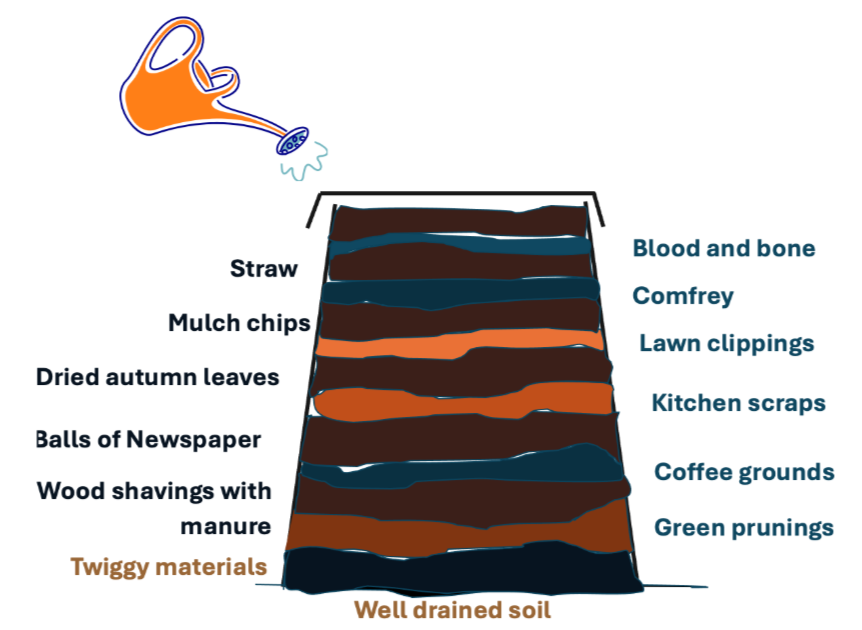
- Carbon: high carbon materials include newspaper, cardboard, egg cartons, toilet rolls, unwaxed pizza cartons, straw, animal bedding, untreated wood shavings, bark chips, old mulch, old potting mix, small twigs, dried autumn leaves
- Nitrogen: high nitrogen materials include green garden leaves, coffee grounds, teabags, kitchen peelings, lawn clippings, blood and bone, chicken or other bird manures, rabbit or guinea pig manure, other organic fertilisers
- Oxygen
- Water
SETTING UP
- Place the bin on bare soil.
- At the base, place some woody twigs or dried stems of plants for drainage.
- Next, add a layer of the high carbon materials, about 20-30cm deep.
- Start adding kitchen peelings, scraps and other high nitrogen materials.
- You must continue adding high carbon materials to your compost bin weekly.
- Repeat steps 4 and 5 until the bin is full, alternating the layers and making sure the contents are not completely dry.
EVERY WEEK
Turn over the contents as much as you can, using an aerator or a garden fork. You might see steam rising from the contents as you mix them up and you’ll notice that the volume of the contents goes down as you turn everything over. Keep repeating every week.
Filling a compost bin like this means that it is difficult to fill. You will need to decide when to stop filling it and leave it to finish breaking down and decomposing. Remember to keep turning it regularly but don’t add anything else to the bin. If you want to add your kitchen and garden scraps to a compost bin, you will need another one while the first one finishes its decomposition into compost.
IN A FEW MONTHS
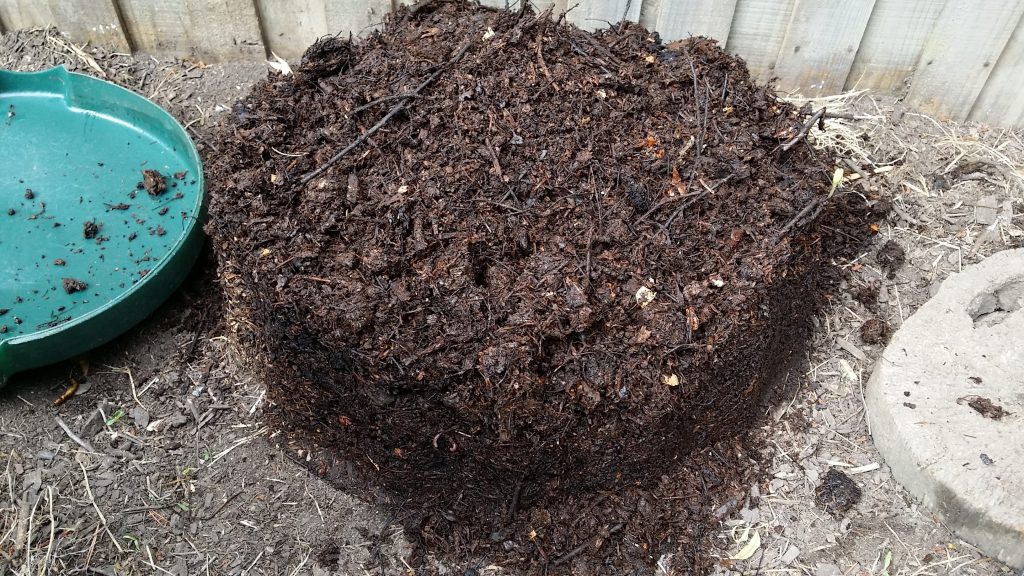
In at least six months, your compost should be ready now. It should be sweet-smelling (or at least have no distinctly off-putting odour). It should be moist without being wet and you might even see worms in there. Spread the compost over your soil and cover it with mulch. The worms will drag through the soil for you as they munch their way through it – and your garden will love you!